(719) 596-1011
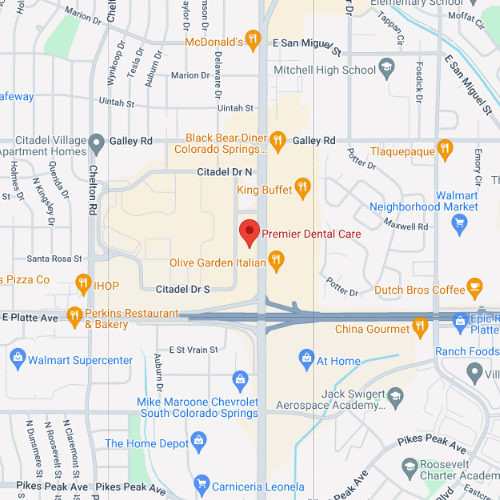
685 Citadel Dr E #302 Colorado Springs, CO 80909
Botox for TMD

While standard treatments like mouthguards and physical therapy are effective for many, Botox is becoming increasingly used as an alternative. Botox helps relax overworked jaw muscles to provide relief, making it a potentially effective solution for managing chronic TMD pain.
Botox for TMD Treatment
When used for TMD, Botox is injected into the jaw muscles responsible for chewing and clenching. By relaxing these specific muscles, Botox reduces the constant force being placed on your jaw joint. This helps stop the cycle of spasms and provides the joint with the rest it needs to heal, lowering your daily pain levels.
Benefits of Botox for TMD
Non-Surgical: It offers a way to find relief without invasive procedures or surgery.
Localized Relief: We can target the exact muscles causing your discomfort without affecting the rest of your face.
Reduced Tension: By relaxing the jaw, it helps stop the tension headaches and muscle spasms that are associated with TMD.
Fewer Side Effects: Compared to major surgery, Botox is a relatively simple process with a much shorter recovery time.
Considerations and Limitations
- It’s Temporary: The effects usually last for several months, so you may need follow-up visits to maintain the relief.
It’s Not a “Cure-All”: Botox treats the muscle pain, but it might not fix underlying issues like a misaligned bite.
Personalized Care is Key: Because TMD is complex, we need to look at your specific situation to see if Botox is the right fit or if it should be paired with other treatments like a custom mouthguard.

What to Expect
If you and your dentist decide that Botox is right for your TMD, the process is straightforward and usually takes less than 30 minutes.
The Visit: After identifying the muscles causing your pain, we administer a series of small injections directly into those areas. Most patients feel only a slight pinch, and there is no downtime.
The Results: It typically takes 3 to 7 days for your jaw muscles to begin relaxing, with full relief peaking around two weeks later.
Maintenance: The effects generally last between three and four months. The Botox will naturally wear off, so you will need to schedule a follow-up visit to maintain your comfort and prevent the tension from returning.
Understanding TMD
Temporomandibular joint disorder (TMD) involves persistent pain and tension in the jaw joint and the muscles around it. The joint itself connects your jawbone to your skull, acting like a sliding hinge. When this isn’t working correctly, from jaw injuries, teeth grinding, stress, or arthritis, it can be a result of TMD. If you’re experiencing chronic headaches, earaches, or a clicking sound when you chew, these are common signs of the disorder.
What is Botox?
Most people know Botox for its ability to smooth wrinkles, but it has been used in many different treatments for decades. It works by temporarily blocking the nerve signals that tell a muscle to contract. This allows us to relax specific muscles that are overactive or stuck in a cycle of painful spasms, which provides relief to the area.
Splints for TMD
Splints are custom-made oral appliances designed to relieve symptoms of TMD by reducing strain on the jaw joints and surrounding muscles. They help stabilize your bite, prevent teeth grinding or clenching, and promote proper jaw alignment. Worn comfortably over the teeth, splints can reduce pain, improve function, and protect your teeth from further damage over time.
Effectiveness of Botox and Splints for Myofascial Pain, Jaw Pain and Discomfort
While research is ongoing, many patients report a noticeable improvement in jaw function and a major decrease in pain after treatment. It’s important to remember that everyone responds differently. The success of Botox or a splint depends on the severity of your symptoms and the specific cause of your jaw pain, which is why an evaluation is the first step.
To schedule an appointment, give our office a call at (719) 596-1011.
Our Services:
Frequently Asked Questions
Botox relaxes the specific muscles that cause clenching and grinding. This reduces the constant pressure on your jaw joint and allows the area to rest.
No, it is a temporary treatment that manages symptoms. It does not correct structural issues like a misaligned bite or bone problems.
Most patients experience relief for 3 to 4 months. Once the Botox wears off, you can schedule a follow-up visit to maintain your results.
You will typically start to feel results within 3 to 7 days.
The injections use very fine needles and feel like a quick pinch. Most patients find the process comfortable and do not require any numbing or anesthesia.
The treatment targets the chewing muscles and generally does not change your facial expressions. Over time, it may slightly slim the jawline as overworked muscles relax.
The most common side effects are mild redness or bruising at the injection site.
Normally, there is little to no downtime, and you can return to your regular routine. We recommend avoiding strenuous activity for the first 24 hours.
You may be a good candidate if your TMD is caused by muscle tension and hasn’t improved with other treatments. A professional evaluation is the best way to confirm if it fits your needs.
BOOKING HOURS
M 7-5 | Tu 7-5 | Wed 7-5 | Th 7-5 | Fr 7-3
We are OPEN for ALL dental care procedures and emergency needs. Protecting the health and safety of our patients, families, and team members remains our number one priority.

Free $50 Gift Card*
$50 Gift Card when you complete an appointment with us!
*Redeemable after completed paid treatment. Must be a new patient our organization (all locations). The patient will receive a gift card via email or SMS after completion of their appointment. Cannot be combined with other offers or dental discount plans. Not valid for patients with Medicare or Medicaid.
Free Exam & X-rays^
For New Patients without insurance we offer Free Exam and X-rays!
^For New Patients that do not have dental insurance. New patients must be 18 or older to receive free exam and x-rays. Discounts cannot be combined with other offers or dental discount plans. Additional fees may be included in individual cases. Not valid for patients with Medicare or Medicaid.
$99 Hygiene Visit^^
For New Patients without insurance we offer Free Exam and X-rays!
^^For new patients without dental insurance. Includes Exam, X-Ray and Routine Cleaning. A Periodontal Cleaning requires additional fees, and rescheduled for further treatment. Cannot be combined with other offers or dental discount plans. Not valid for patients with Medicare or Medicaid.
Premier Dental of Colorado Springs